
Blog
Smarter Home Comfort: Seasonal HVAC Strategies for Reliable Heating and Air
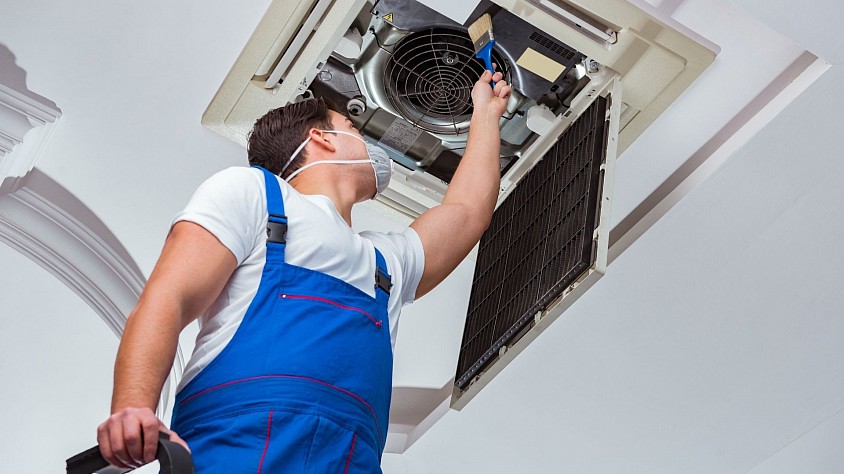
A well-planned HVAC approach blends equipment care, airflow management, and smart controls to keep energy use steady and indoor comfort consistent. Heating and cooling don’t work in isolation; ducts, filters, thermostats, and even humidity all shape how a system performs day to day. With thoughtful maintenance and a few small upgrades, homeowners can improve reliability, reduce temperature swings, and help protect indoor air quality throughout the year.
Seasonal Tune-Ups Safeguard Performance
Routine tune-ups help prevent small issues from growing into inconvenient breakdowns during the hottest or coldest weeks. A technician can spot wear in blower components, check refrigerant circuits on heat pumps and air conditioners, and verify that safety controls on furnaces operate as intended. This attention reduces strain on the system and supports steady output. Pair that with regular filter changes, and airflow stays closer to design, which eases the workload and moderates energy consumption.
Airflow and Ductwork Matter More Than You Think
Even top-tier equipment can struggle if airflow is restricted. Leaky or undersized ducts, clogged returns, and blocked supply registers make rooms feel uneven and force the system to run longer. A quick walk-through to clear furniture from vents and confirm returns are unobstructed can make an immediate difference. Over time, sealing and insulating accessible duct runs can further stabilize temperatures between rooms and help reduce noise. Balanced airflow supports both comfort and equipment longevity.
Indoor Air Quality Ties Into Efficiency
Filters do more than trap dust; they help protect coils and fans from debris that degrades performance. Choosing the right filter for the home’s needs matters. High-resistance filters can impede airflow if the system isn’t designed for them, while very basic filters may allow more particulates to settle inside equipment. Humidity control also plays a role. Excess moisture can make summer cooling feel less effective, while very dry air in winter can affect comfort. Coordinating filtration, ventilation, and humidity strategies creates a healthier, more efficient indoor environment.
A Practical Seasonal Checklist for Homeowners
Small, consistent steps go a long way. Use this simple rhythm to keep heating and cooling on track:
1) Replace or clean filters regularly based on manufacturer guidance and household conditions.
2) Keep outdoor units free of leaves, grass clippings, and snow to maintain clear airflow.
3) Inspect visible duct joints and registers; repair loose connections and remove obstructions.
4) Test the thermostat before each season shift and confirm schedules reflect your routine.
5) Open interior doors and clear returns to promote even air circulation throughout the home.
6) Listen for new noises from blowers, burners, or compressors and address them promptly.
7) Schedule professional maintenance before peak heating and cooling seasons.
Smart Controls and Thermostat Best Practices
Modern thermostats provide scheduling, remote access, and helpful system reminders. Setbacks should be moderate and matched to your lifestyle; extreme swings can cause the system to work harder to catch up. Zoning, when appropriate for the home’s layout, lets different areas be conditioned to their needs, reducing hot and cold spots. Keep thermostats away from direct sunlight, drafts, or heat sources to improve reading accuracy and avoid short cycling.
When Repair or Replacement Makes Sense
Every system reaches a point where persistent repairs, comfort issues, or noise signal deeper wear. If the equipment struggles to meet setpoints, rooms feel uneven, or energy bills trend upward despite good maintenance, an evaluation can clarify options. Upgrades that align with home size, duct capacity, and climate deliver the best results. Proper installation, verified airflow, and final testing ensure new equipment performs as intended from day one.
Thoughtful habits, timely maintenance, and attention to airflow create a foundation for dependable comfort. With each season, a few focused steps help heating and cooling systems operate smoothly, quietly, and efficiently.
Smart HVAC Strategies for Comfortable, Efficient Homes
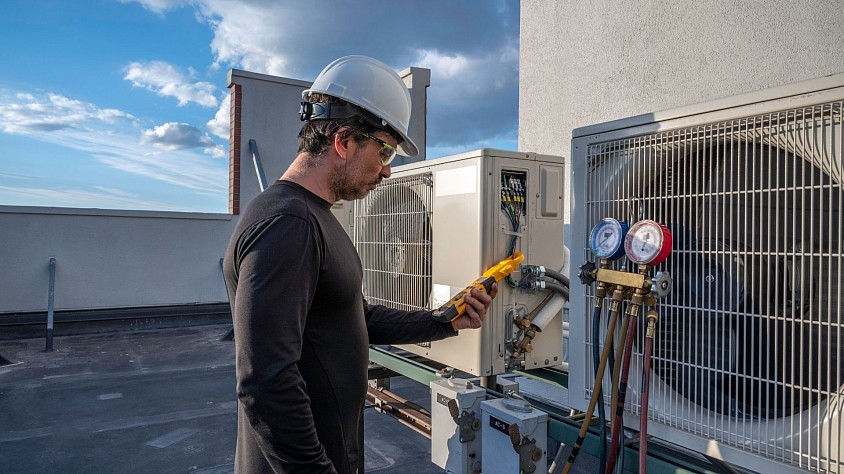
When seasonal swings hit, a well-tuned HVAC system keeps indoor temperatures steady and air quality dependable. Beyond comfort, efficient operation helps reduce energy waste and wear on equipment. Whether you’re in a single-family home or a multi-unit building, paying attention to airflow, filtration, and proper system sizing can make a noticeable difference in day-to-day living.
The Role of HVAC in Indoor Air Quality
A modern HVAC setup does more than heat and cool; it helps manage humidity and filter airborne particles. Balanced humidity supports comfort and can protect materials inside the home. Clean filters support healthy airflow, which is essential for even heating and cooling across rooms. When airflow is balanced, the system doesn’t have to work as hard, which can translate into smoother performance during temperature extremes.
How to Boost Efficiency Without Sacrificing Comfort
Improving efficiency often starts with small, consistent habits. Regular filter changes, sealing visible duct leaks, and ensuring vents are unobstructed all support stable system performance. Programmable thermostats, when used with clear schedules, can align operation with your daily routine. Even simple steps like keeping interior doors slightly open can help promote balanced circulation throughout the home.
What to Look For in a Healthy HVAC Routine
Establishing a home comfort routine helps prevent problems from building up unnoticed. Seasonal system checkups can identify airflow restrictions, worn components, or refrigerant imbalances before they affect performance. Pay attention to unusual sounds, short cycling, or uneven temperatures from room to room—these are signals that the system needs attention.
Top Tips for Reliable HVAC Performance
Consider these practical ways to keep your home comfortable and your system dependable:
1) Replace filters on a regular cadence. A clean filter supports airflow, reduces strain, and helps sustain indoor air quality. Choose a filter type that matches your household’s needs.
2) Keep vents and returns clear. Furniture, rugs, and drapes can restrict airflow. Maintain a few inches of space around supply registers and return grilles so air can circulate freely.
3) Use thermostat schedules wisely. Set modest setbacks when you’re away and return to comfort settings before you get home. Avoid drastic temperature swings that force the system to work overtime.
4) Support proper insulation and sealing. Air leaks around doors, windows, and attics can cause temperature drift and hot or cold spots. Reducing drafts helps your system run more steadily.
5) Watch humidity levels. Excess moisture can make summer feel warmer and winter feel cooler. Aim for a balanced indoor range to improve comfort and ease the load on the equipment.
6) Keep outdoor units clear. Trim vegetation and remove debris within a safe perimeter so the unit can breathe and exchange heat efficiently.
7) Listen and learn. New noises, frequent cycling, or stubborn hot and cold spots are early warning signs worth addressing promptly.
Sizing and Zoning Considerations
Proper system sizing is central to dependable comfort. An undersized unit may struggle on very hot or cold days, while an oversized one can short cycle, affecting moisture control and evenness of temperature. In multi-level homes or spaces with varied sun exposure, zoning can help target different areas more precisely. When zoning is set up thoughtfully, rooms receive the conditioning they need without overworking the entire system.
Seasonal Readiness and Long-Term Mindset
As seasons shift, small pre-checks can set you up for success. Before the first heat wave or cold snap, verify thermostat settings, swap in a fresh filter, and clear outdoor equipment. Keep a simple log of maintenance actions and any performance changes you notice. This steady, proactive approach helps maintain comfort, supports energy-conscious living, and extends the dependable service life of your HVAC equipment.
With consistent care and attention to airflow, filtration, and humidity control, HVAC systems can deliver year-round comfort while operating smoothly and efficiently.